
ONE NATION, A THOUSAND FLAVOURS: INDIA’S CULINARY SOUL AND ECONOMIC SPICE

Name : Apeksha Kamath
Registration No. : SRO 0757783
City : Surat, Gujarat
“Surat nu jaman, Kashi nu maran” - Dine in Surat, die in Kashi.
“Lucknow ke tehzeeb aur Nawabi kebab” - Etiquette of Lucknow, and its royal kebabs.
“Amritsar di galiyan, te Guru di mehar” - The streets of Amritsar, and the blessings of the Guru.
“Kolkata ki mishti, aur Durga Pujo ki bhakti” - Sweetness of Bengal, and devotion of the Puja.
“Hyderabad ka biryani, aur Charminar ka noor” - Hyderabad’s biryani and the glow of its history.
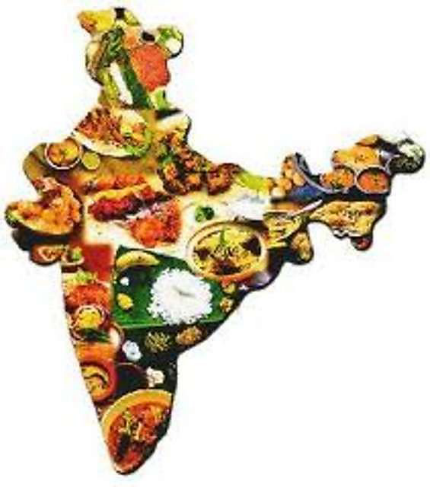
These aren't just rhymes or regional pride, they are lyrical reflections of a deeper truth: India is a gastronomic galaxy where every city, every state, and every street corner has its own flavour, its own story. If unity in diversity had a taste, it would be India.
Flavours That Tell Tales
Every region of India is like a chapter in a vast culinary epic. In Gujarat, Surat is celebrated not just for its textile market but also for its street food-Locho, Undhiyu, Surti Sev Khamani. The phrase "Surat nu jaman" isn’t just pride-it’s an invitation to indulge.
Move northwards, and you land in Lucknow, the land of the Nawabs. The city offers kebabs so tender they don’t need chewing, and biryanis that carry stories of royal kitchens. Awadhi cuisine is all about slow-cooking and subtle spices, a reflection of the city’s elegance and grace.
Further up, Amritsar brings to you buttery naans, sarson da saag, and the divine langar at the Golden Temple. In this city, food is prayer, and every bite feels sacred.
In the South, Hyderabad’s biryani needs no introduction. The aroma of saffron, ghee, and marinated meat layered over basmati rice is enough to make your soul sing. Meanwhile, Kolkata, the city of poets and revolutionaries, adds sugar to this symphony with its rosogollas, sandesh, and mishti doi.
Economic Ingredients: The Business of Indian Cuisine:
Beyond emotion and heritage, food is an economic powerhouse in India. The Indian food industry is projected to reach USD 500 billion, making it one of the largest in the world and creating millions of direct and indirect employment opportunities.
- Street Food Economy
From Delhi’s Chandni Chowk to Mumbai’s Mohammed Ali Road, street vendors contribute significantly to the informal economy. The street food sector alone supports millions of livelihoods and sustains vibrant micro-enterprises.
- Culinary Tourism
Cities like Jaipur, Kochi, and Amritsar have become food tourism hotspots. International travellers now book entire itineraries around food trails, cooking classes, and regional tastings-injecting crores into the local economy.
- Regional Brands Going Global
Indian foods like Malabar spices, Darjeeling tea, Bikaneri bhujia, Alphonso mangoes, and even filter coffee have Geographical Indication (GI) tags, becoming global ambassadors of India’s culinary diversity.
- Rise of the Cloud Kitchen & Food Startups
Urban India has seen a surge in cloud kitchens, food tech startups, and regional delivery platforms offering hyper-local meals, from Bihari litti chokha to Goan fish curry. India’s fusion of tradition with technology has opened up new avenues of income, especially for home chefs and women entrepreneurs.
Serving Culture Beyond Borders: Udupi Hotels
Udupi hotels, rooted in Karnataka’s temple town, have blossomed into global ambassadors of South Indian vegetarian cuisine. From crispy dosas to soulful sambhar, these eateries have introduced authentic Indian flavors worldwide, fostering cultural pride and nostalgia among the diaspora. Beyond food, they serve as community hubs, promoting ethical eating, employment, and religious ties. Whether in New York, London, or Dubai, Udupi-style hotels have become symbols of simplicity, sustainability, and the spirit of Indian entrepreneurship abroad.
Food: A Cultural Currency
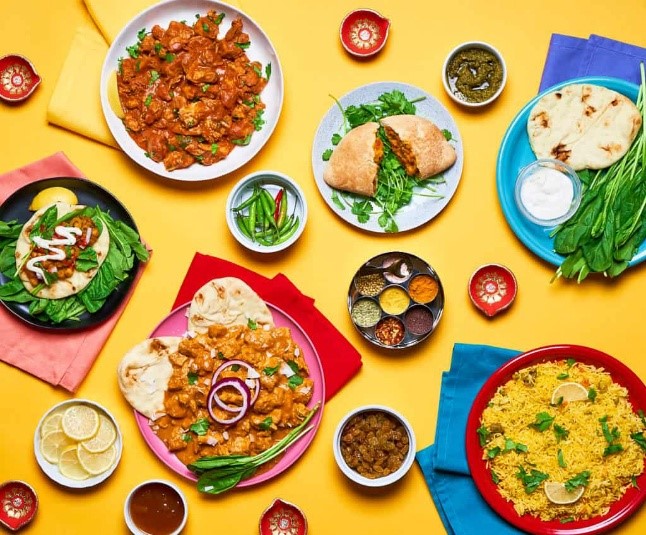
In India, food isn't just about taste, it's emotion, expression, identity, and even resistance. The thali you’re served in a Rajasthani village is an offering of hospitality. The pickles made in a grandmother’s kitchen hold generational love. The langar at a Gurudwara speaks of equality.
Indian food is sustainably rooted, often seasonal and region-specific. From the bamboo shoot delicacies of the North-East to the millet revival in Karnataka, India is a pioneer of farm-to-table living, long before it became a global trend.
Conclusion: Flavours That Unite
“Ek Bharat, Swaad Anek” - One India, Many Tastes.
What binds us is not sameness, but our celebration of difference. From vegan-friendly temple prasads to meaty Mughlai platters, from fermented hill dishes to fiery coastal curries-every dish is an identity, and every plate is a poem.
In India, the food on your plate is more than just a meal. It is memory, melody, and movement-uniting hearts, homes, and histories. Truly, we are one nation, a thousand flavours strong.