SECURITY AGAINST FINANCIAL FRAUDSE
ICAI Reg. no. : WRO -0745213
INTRODUCTION
- "Security against financial frauds is not just about protecting your money; it's about safeguarding your peace of mind and financial future."

- In today's world, safeguarding ourselves and our businesses from fraudulent activities is absolutely essential. The consequences of falling victim to financial fraud can be devastating, leading to substantial financial losses and irreparable harm to both personal and corporate reputations. It is crucial for individuals and organizations alike to take proactive measures in order to protect themselves against the ever-evolving landscape of fraud.
- Financial fraud occurs for a variety of reasons, driven by individuals, organizations, or even sophisticated criminal networks. The motivations behind financial fraud can be complex, but they often revolve around personal gain, desperation, or taking advantage of vulnerabilities in systems. Here are some reasons and rationales behind financial fraud:
-
Financial Gain:
One of the key driving factors behind fraudulent activities is often the desire for financial gain. Those who engage in such behaviour are seeking to obtain money, assets, or resources illegally. This pursuit of wealth can stem from a variety of motivations, including greed, a craving for a luxurious lifestyle, or the need for immediate cash flow.
-
Desperation:
Some individuals facing financial hardships, such as debt or unemployment, may resort to fraud as a way to address immediate financial needs or to escape a dire situation.
-
Addiction:
Individuals struggling with addiction, whether to substances, gambling, or other vices, may turn to fraud to finance their habits, as they need a continuous source of funds.
-
Lack of Ethical Values:
There are unfortunately individuals who resort to fraudulent activities, driven by a lack of moral or ethical principles. These individuals often show little remorse or guilt when deceiving others for their own personal gain. It's crucial to address this issue and promote a culture of honesty and integrity in order to discourage such behaviour.
-
Pressure to Meet Targets:
In corporate settings, employees or managers under intense pressure to meet financial targets or performance goals may resort to fraudulent activities to achieve these objectives, even temporarily.
Unveiling the Latest Statistics on Financial Frauds:
- Financial frauds can have devastating consequences for individuals and the economy as a whole. While digital payments have made life convenient and easy In India, they have also made us prone to all kinds of financial frauds.
- In financial year 2023, the Reserve Bank of India (RBI) reported bank frauds amounting to more than 302.5 billion Indian rupees. This was a decrease from over 1.3 trillion rupees in 2021.
- The Central Bureau of Investigation (CBI) has carried out a detailed analysis of 53 financial crimes including bank frauds and Ponzi schemes starting from Harshad Mehta’s manipulation of the stock market using funds obtained from banks in the 90s to the use of fraudulent Letters of Undertaking (LoUs) and Letters of Credit (LCs) by fugitive diamantaires Nirav Modi and Mehul Choksi, to understand the modus operandi of white-collar criminals, systemic lacunae and to identify preventive measures needed to prevent such crimes.
- The “findings” and “lessons learnt from past mistakes”, published in the form of an almanac and released by Prime Minister Narendra Modi on Monday, have been shared with the Reserve Bank of India (RBI), stock market regulator SEBI (Securities and Exchange Board of India), banks, the agency’s own investigators and law enforcement agencies across the country, people familiar with the development said.
- He added that CBI special director Praveen Sinha and joint director of CBI’s banking and securities fraud branch, Anurag (he goes by one name only) , focused on reasons why banks are repeatedly cheated into giving credit to individuals or entities based on unverified documents such as fraudulent LoUs/LCs, how white collar criminals divert funds taken from banks and investors to a third country, the use of delay tactics in courts to stall proceedings, the steps needed to be taken at the policy level to prevent these, investigation techniques, and issues related to extradition.
- No other organization except CBI has the experience of investigating large bank fraud cases. Prepared after two years of research, this almanac will be a gamechanger for the banking industry and the law enforcement,” said a third officer, who also requested anonymity. According to RBI’s annual report, the banking sector recorded 9,103 cases of frauds involving ₹60,414 crore in 2021-22.
TOOLS/ METHODS USED FOR FINANCIAL FRAUDS:
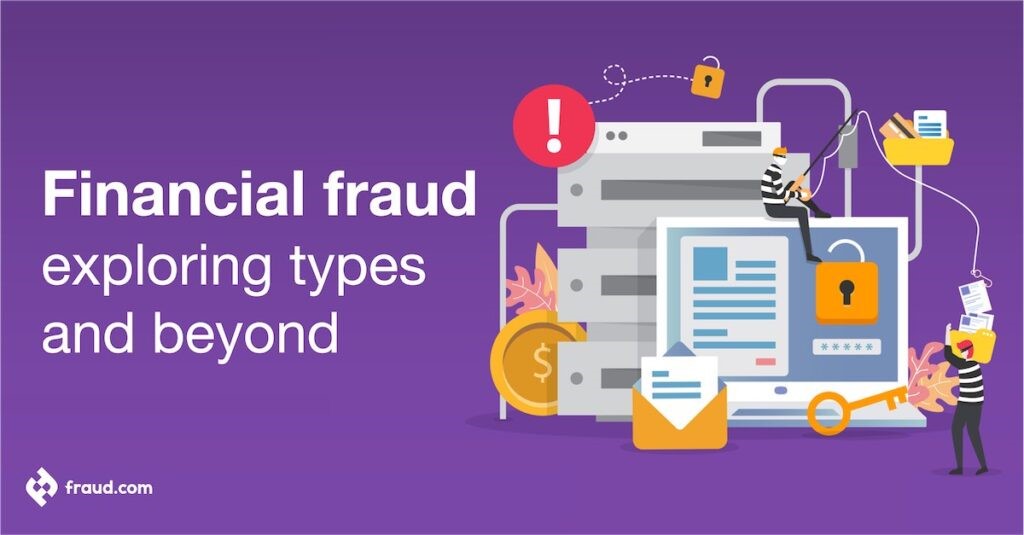
Following are several ways through which financial frauds are being carried out in India and in other parts of world:
- Online and Cyber Fraud: Cybercriminals were increasingly targeting individuals and organizations through various online scams, including phishing attacks, ransomware, and data breaches.
- Cryptocurrency Scams: With the rise of cryptocurrencies, there was a surge in crypto-related scams, including fake initial coin offerings (ICOs), Ponzi schemes, and phishing attacks targeting crypto wallets and exchanges.
- Identity Theft: Identity theft continued to be a significant concern, with criminals using stolen personal information for various fraudulent activities, from opening credit lines to filing false tax returns.
- Business Email Compromise (BEC): BEC scams involved cybercriminals posing as company executives or vendors to trick employees into making unauthorized wire transfers or divulging sensitive information. These scams were particularly prevalent.
- Payment Fraud: Payment fraud, involving fraudulent payments and fund transfers, remained a persistent threat, with criminals exploiting weaknesses in financial systems and processes.
- Deepfake and AI-Based Fraud: Advances in deepfake technology and artificial intelligence posed new risks in terms of creating convincing audio and video impersonations for fraud.
- Financial Technology (Fintech) Vulnerabilities: The rapid growth of fintech companies introduced new vulnerabilities and opportunities for fraud, as criminals sought to exploit digital payment platforms, mobile banking apps, and online lending services.
- Elder Financial Abuse: Scams targeting the elderly, such as fraudulent investment schemes, were on the rise, with criminals exploiting the trust and lack of familiarity with technology among older individuals.
ESSENTIAL TOOLS AND METHODS TO SAFEGUARD FROM FINANCIAL FRAUDS
-
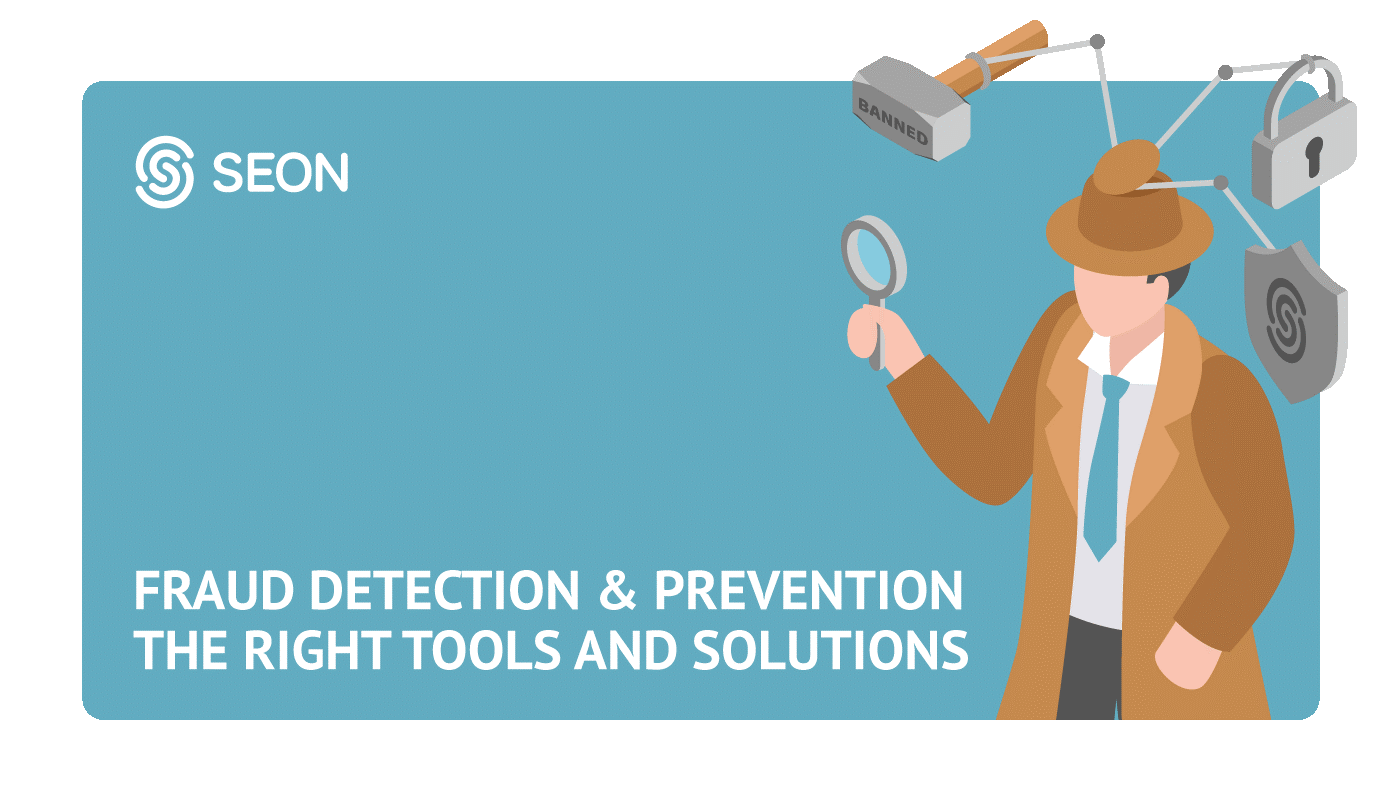
Governments around the world take various steps to address and combat financial frauds. These steps typically include legislation, regulation, law enforcement, and public awareness campaigns. Here are some common measures taken by governments to tackle financial fraud:
Legislation and Regulation:
Governments enact laws and regulations that define and criminalize various forms of financial fraud, including identity theft, investment scams, and cybercrimes. These laws provide a legal framework for prosecuting offenders.
-
Law Enforcement Agencies:
Governments establish specialized law enforcement agencies and units dedicated to investigating and combating financial fraud. These agencies work to identify, apprehend, and prosecute fraudsters.
-
Financial Regulators:
Financial regulators oversee financial institutions and markets to ensure they operate fairly and transparently. They may impose regulations and conduct audits to reduce the risk of fraud within the financial sector.
-
Cybersecurity Initiatives:
Governments often invest in cybersecurity initiatives to protect critical infrastructure and sensitive data. They may also collaborate with the private sector to develop cybersecurity best practices.
-
Public Awareness Campaigns:
Governments run public awareness campaigns to inform citizens about common financial frauds and provide guidance on how to protect themselves. These campaigns emphasize vigilance and safe online practices.
-
Whistleblower Protection:
Whistleblower protection laws are designed to encourage individuals to report financial fraud within organizations without fear of retaliation. Whistleblowers can provide valuable information to authorities.
-
International Cooperation:
Financial fraud is often transnational, so governments cooperate with foreign counterparts to investigate and prosecute fraudsters. This includes sharing information and evidence.
-
Data Privacy Laws:
Governments implement data privacy laws to protect individuals' personal information from being misused in identity theft and other frauds. These laws may require organizations to secure sensitive data and report breaches.
-
Financial Intelligence Units:
Some countries establish financial intelligence units (FIUs) to collect and analyse financial data to detect money laundering, terrorist financing, and other financial crimes.
-
Education and Training:
Government agencies often provide educational resources and training programs to help businesses and individuals recognize and prevent financial fraud. This includes cybersecurity awareness and fraud prevention training.
-
International Agreements:
Countries may enter into international agreements and conventions to combat financial fraud more effectively, such as the United Nations Convention against Corruption (UNCAC) and the Financial Action Task Force (FATF) recommendations.
ROLE OF A.I IN PREVENTING & DETECTING FINANCIAL FRAUDS:
Artificial Intelligence (AI) and digitalization play significant roles in preventing financial fraud. Here's an overview of how these technologies influence the landscape of financial fraud:
-
Advanced Analytics:
AI-driven analytics can identify patterns and anomalies in financial data, helping organizations detect potentially fraudulent activities. Machine learning models can analyse vast datasets in real-time to flag suspicious transactions or behaviours.
-
Fraud Detection Systems:
Financial institutions use AI-powered fraud detection systems to monitor and analyse transaction data. These systems can identify unusual spending patterns, verify user identities, and trigger alerts for further investigation.
-
Behavioural Biometrics:
Digitalization enables the use of behavioural biometrics, such as keystroke dynamics and mouse movements, to verify user identities. AI algorithms can detect when a user's behaviour deviates from their usual patterns, indicating potential fraud.
-
Machine Learning for Credit Scoring:
AI algorithms improve credit scoring models by considering a wider range of data points, leading to more accurate risk assessments and reduced default rates.
-
Natural Language Processing (NLP):
NLP technology can automatically review and analyse written communications, including emails and chat logs, for signs of fraud, helping organizations detect insider threats and phishing attempts.