THE TARIFF TALK: HOW U.S. TRADE POLICIES SHAPE GLOBAL MARKET
 Sarthak Pamdi
ICAI Reg. no. : WRO0761152
Level in CA Course : CA Intermediate
City : Mumbai, Maharashtra
ICAI Reg. no. : WRO0761152
Level in CA Course : CA Intermediate
City : Mumbai, Maharashtra
THE TARIFF TALK: HOW U.S. TRADE POLICIES SHAPE GLOBAL MARKET
April 2025: A New WAVE of Tariffs by UNITED STATES
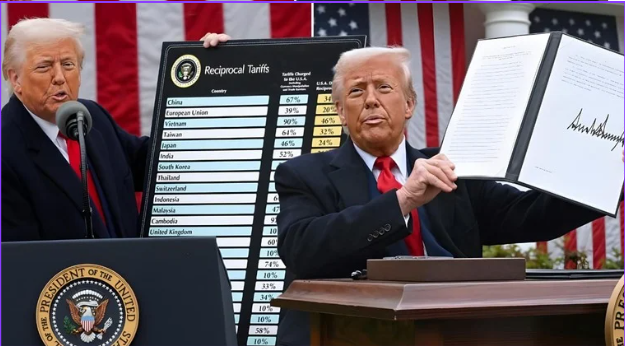
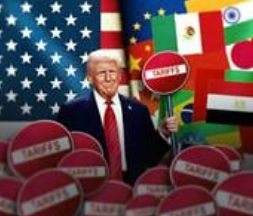
April 2, 2025 - a date now known as “Liberation Day” marked a seismic shift in global trade dynamics as the U.S., under former President Donald Trump, rolled out an aggressive new tariff strategy aimed at reshaping international commerce.
- Universal 10% Tariff: Applied broadly to imports from most countries, sparing only close neighbors Canada and Mexico.
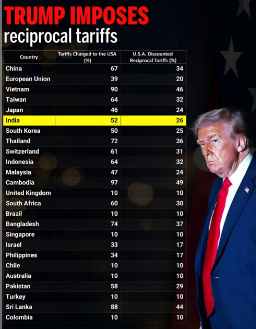
- Country-Specific Tariffs: Aimed at key global exporters:
- China – Additional 34%
- India – 26%
- Vietnam – 46%
- Bangladesh – 37%
- South Korea – 25%
- Japan – 24%
The rationale? To correct trade imbalances, safeguard domestic industries, and reassert economic sovereignty.
Impact: The move has triggered ripples across global markets, prompting supply chain shifts, trade tensions, and a strategic recalibration among exporting nations — including India.
The China Factor: A Tale of Escalation
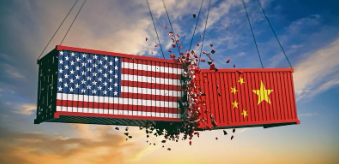
The U.S.-China trade war has intensified, with tariffs now crossing 145%, severely denting Chinese exports to America. In response, China has imposed counter-tariffs and is actively strengthening regional trade alliances to set off the damage. Export driven cities like Yiwu are already feeling the heat, as global buyers shift to alternative markets. What began as a tariff dispute has evolved into a larger battle for global economic influence.
“Trade policies are not just about economics; they are about influence, strategy, and global equilibrium.”
In an era of deeply interconnected markets and global supply chains, trade policies by economic giants like the United States extend far beyond their borders. Tariffs, though simple in design, have far-reaching effects—shaping prices, production, and international relations.
Tariffs on raw materials like steel and aluminum raise global manufacturing costs, while duties on tech and pharma disrupt supply and affordability of vital products—ranging from smartphones to life-saving medicines.
What begins as an effort to protect domestic industries can trigger retaliatory tariffs, disrupt markets, and fuel inflationary pressures worldwide. In today’s global economy, no nation remains insulated from the ripple effects of protectionism.
Why Tariffs Matter (More Than You Think)
While tariffs are essentially taxes on imports, their effects ripple far beyond just raising prices. Here’s how they impact the global landscape:
- Increase Costs for Consumers: Tariffs inevitably raise the price of goods, not just in the U.S. but around the world, burdening consumers with higher costs for everyday items.
- Disrupt Global Supply Chains: With tariffs in place, companies are forced to reevaluate and often restructure their supply chains, shifting operations to new markets or rethinking production strategies.
- Trigger Retaliatory Measures: When one country imposes tariffs, others often retaliate, leading to a tit-for-tat escalation. This sparks trade wars, which slow down economic growth and introduce uncertainty into global markets.
- Shift Geopolitical Alliances: As trade relations become strained, countries may seek new partnerships, realigning global alliances and altering long-standing trade dynamics.
Trade wars rarely yield lasting gains. Economists stress that true prosperity stems from global collaboration, not isolation. Reviving institutions like the WTO is crucial to foster open dialogue and resolve disputes. Supply chains must be made more agile and diversified. Above all, future leaders must view trade policy as a strategic force shaping global economics and diplomacy.
Redefining India’s Trade Playbook
- Export Diversification: Indian businesses are increasingly exploring untapped markets across Africa, the Middle East, and Southeast Asia, minimizing reliance on traditional trade partners.
- Make-in-India Initiative: The government is actively promoting local manufacturing, aiming to reduce dependency on imports and strengthen domestic production capabilities.
- Strategic Diplomacy: Diplomatic efforts are underway to ease tariff pressures, with ongoing trade negotiations seeking to create stronger bilateral relationships and secure more favorable terms.
“In an interconnected world, protectionism is not, protection but isolation.”
— Raghuram Rajan
Conclusion
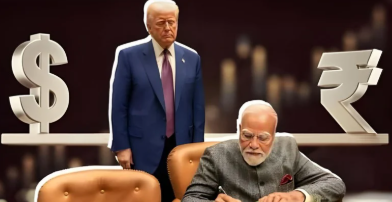
The 2025 tariff wave isn’t just a test of economic endurance; it’s a challenge to diplomatic agility. It’s a call for nations to rethink trade, not as a zero-sum game, but as a collective journey towards shared prosperity.
As Ratan Tata Sir once said:
“If you want to walk fast, walk alone. If you want to walk far, walk together.”
In the world of trade, the path to enduring success is built on partnership, collaboration, and mutual growth.